


Before prescribing antibiotic treatment, doctors strictly warn that alcohol is strictly prohibited during treatment.But now that the necessary course of treatment has been completed, the question arises: How soon after antibiotics can I drink alcohol?
How many days, or perhaps hours, should be allotted to rid the body of any remaining aggressive drugs?Or can we immediately celebrate the successful completion of treatment?This issue is urgent and needs to be addressed.
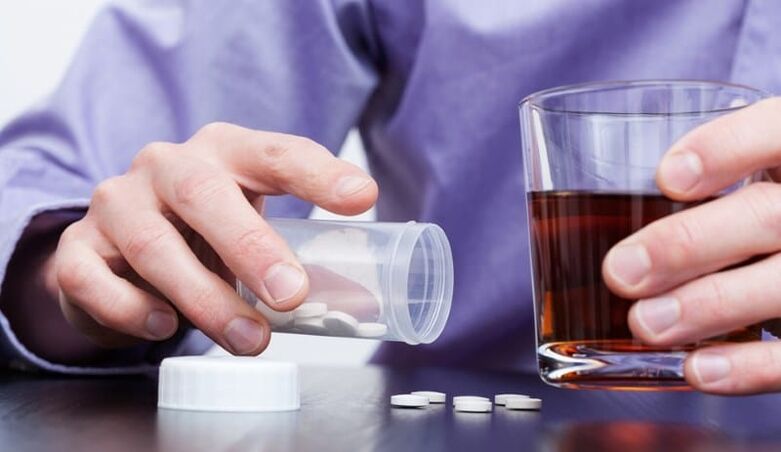
The nature of antibiotic action
Antibiotic drugs are used to treat a variety of infectious and inflammatory diseases.With this disease, when internal organs are attacked by aggressive bacteria, the body's immune system is sometimes unable to respond on its own.
Antibiotics work by affecting cellular bacterial structure.This reduces the ability of pathogenic bacteria to multiply at an extremely rapid rate and gradually kill the entire pathogen colony.
Antibiotics can improve a patient's condition and help him get rid of bacterial diseases quickly.
But antibiotics also have a flip side: The main burden of removing antibiotics from the body falls on the liver.It is the liver organ responsible for removing the putrid remains of drugs from the internal organs.
The liver organ bears the brunt of the damage and is no longer able to cope with the additional load.If you have large amounts of alcohol in your system at the same time (during antibiotic treatment) you may experience the following:
- The expected effects of the treatment are completely lost.
- Unpleasant symptoms such as nausea, severe vomiting, and general weakness occur.This is the poisoning of the body caused by antibiotics mixed with alcohol.
- Disease of the liver organ (especially if the liver is already in a weakened state).This option is fraught with the development of additional, sometimes life-threatening conditions.
The body's specific response depends on how aggressive the antibiotic drug is.The attending physician will be better placed to explain this nuance when prescribing this or that antibiotic.
Which drugs should not be taken with alcohol?
But many particularly flighty people, despite medical prohibitions, still take risks and get drunk during antibiotic treatments.People don’t even consider the possible negative consequences of this disregard for their own health.
Even if all goes well and using alcohol and antibiotics together does not affect your health, the use of this cocktail is never without effects on the body.
When the components of ethanol react with the components of antibiotics, they can react at a "slow" rate.Such consequences may suddenly "reappear" years after treatment.
Some antibiotics are absolutely incompatible with ethanol.They are the ones who experience the most frustrating and sad consequences of exposure to alcohol during treatment.The details are as follows:
- Tetracyclines.For the treatment of diagnosed infectious diseases.
- Levomycin.Aggressive antibiotics are characterized by a "rich" variety of side effects.Alcohol greatly increases the appearance of side effects and intensifies the intoxication of the body.
- Lincosamides.If you combine this family of antibiotic drugs with alcohol, you can pay a price for your liver and central nervous system health.
- Aminoglycosides.They are considered the most effective medicines.Not only are they incompatible with alcohol, but they are also intolerant to the presence of other drugs in the body.During treatment with such drugs, the effects of alcohol can lead to the most serious health consequences and, in exceptional cases, may lead to cardiac arrest.
- Cephalosporins.Even light alcoholic beverages combined with these drugs can cause disulfiram-like reactions.Patients who take the risk of cephalosporin therapy through alcohol consumption are certain to experience severe intoxication.
- Macrolides.The combination of drugs from this antibiotic family with alcohol consumption has a particularly strong and destructive effect on brain receptors and the state of liver cells (liver cells).
Antibiotics used to treat leprosy and tuberculosis are also banned.All strict prohibitions must be stated in the medication notes.But manufacturers do not always write such contraindications.For example, the labels for the following drugs do not mention that you should not drink alcohol:
- Antibiotics from the ansamycin group;
- tricyclic glycopeptide antibiotics;
- Topical antibiotics produced by radiobacteria;
- antifungal drugs;
- Penicillin series of antibiotics.
Much to the dismay of alcoholics, the lack of a ban does not mean it is okay to combine alcohol with the drug.Remember, man is a unique creature.Some people's bodies won't even "notice" any interference from outside alcohol, while others will experience severe intoxication.
When can I drink alcohol after taking antibiotics?
Usually, the period of time you are allowed to drink while taking antibiotics is specified in the instructions that come with the drug..On average, this time is 10-14 days.Your doctor may change this time, taking into account the following factors:
- A person's weight, build, and age.
- The aggressiveness of the drug and the duration of its administration.
- The patient's initial health status and whether there are other chronic diseases.
How quickly antibiotic drug residues are cleared from the body and therefore how long it is not advisable to drink alcohol after taking antibiotics depends on these data.If the instructions don't explain this nuance, you shouldn't rush to drink the liquor either.In this case, you should wait at least 2-3 days after the end of the treatment.
consequences of indiscretion
Even if patients are familiar with the instructions and know when they can drink alcohol after taking antibiotics, they may sometimes not heed the prohibition.Or don’t wait until the marked “quarantine” time.The remaining antibiotics, which do not have time to safely leave the body, will begin to actively block ethanol absorption.
What happens when ethanol accumulates in all internal tissues and organs?The severity of poisoning varies - it all depends on the state of health.A person will definitely experience the following unpleasant symptoms:
- Severe vomiting;
- increased sweating;
- Severe nausea attacks;
- Shortness of breath, difficulty breathing;
- blood pressure spikes;
- Dizziness and disorientation;
- allergic reactions (urticaria, itching, swelling);
- Compression (squeezing) pain in the sternum area;
- Migraine-type headaches that are severe and cannot be relieved by painkillers.
That's not all the trouble faced by those who ignore common sense.Wait until you can actually drink alcohol after taking antibiotics.Otherwise, a person is likely to end up in a hospital bed with symptoms of severe poisoning.
It should be remembered that not all antibiotics have undergone specific clinical trials.Not all modern antibiotics have been shown to be incompatible with alcohol.But that doesn't mean you should be a test subject.
Don't risk your health!Alcohol won't go away, but reckless behavior can seriously and irreversibly worsen health conditions.Wait the required time after completing antibiotic treatment, and it is best not to drink a drink at all.I wish you good health!